
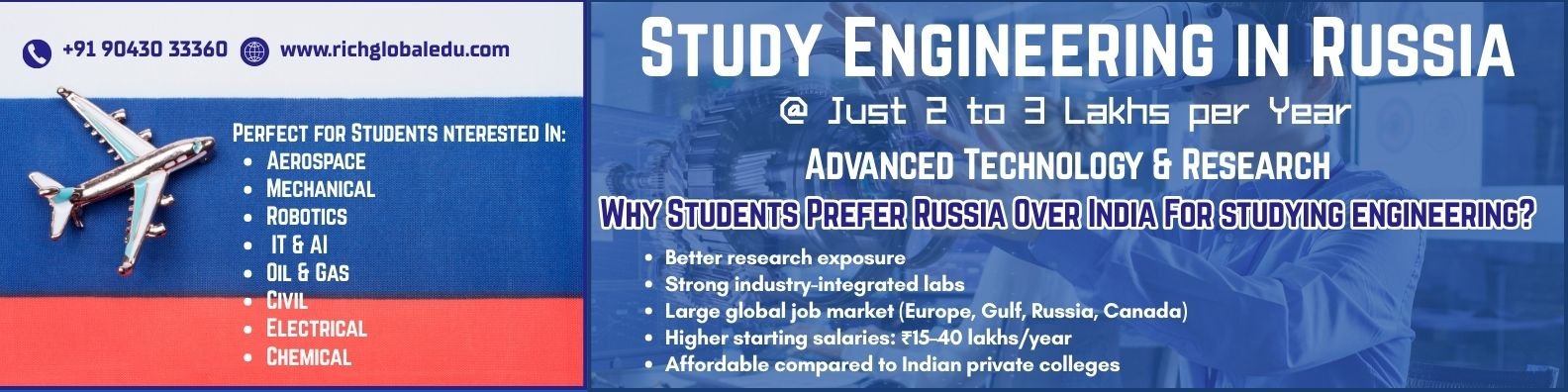
Here are the main reasons:
 1. Not Enough Practical Training
Most Indian engineering colleges focus heavily on theory, not practical skills.
Students rarely get:
Hands-on machine training
Real workshop exposure
Project-based learning
Industry-level lab experience
Access to advanced tools and technologies
Without practical skills, companies do not consider students job-ready.
2. Outdated Labs & Limited EquipmentMany colleges still use:
Old lab equipment
Outdated machines
Minimal automation or robotics
Basic software tools
But today’s industries use advanced, modern technology.
This skills gap creates major hiring problems.
3. Weak Industry–College ConnectionIn many countries, companies directly work with universities.
But in India:
Very few colleges have strong industry partnerships
Internships are often not mandatory
Industrial exposure is limited or outdated
So students graduate without real understanding of how industries actually work.
4. Placement Drives Focus on IT & BPO, Not Core EngineeringEven in mechanical, civil, electrical, and electronics colleges, most placements happen in:
IT companies
BPOs
Tech support companies
Customer service roles
Core industries hire very few freshers because colleges do not produce practically trained students.
Result:
Students spend 4 years studying one field but work in a totally different field.
5. Lack of Skilled Faculty With Industry ExperienceMany engineering professors in India:
Have not worked in real industries
Teach only theory
Do not use updated teaching methods
This creates a gap between what is taught and what companies need.
6. Too Many Engineering Colleges, Not Enough QualityIndia has thousands of engineering colleges, but only a few maintain:
High standards
International-level labs
Strong industry relations
So the competition is high, but the training quality is low.
7. No Global ExposureIndian students rarely get:
International internships
R&D exposure
Advanced engineering software training
Interaction with global industries
This limits their job opportunities both in India and abroad.
 The Result: Most Students Can’t Enter Their Core Industry
Because of all the points above, companies feel students are:
Not practically trained
Not industry-ready
Not exposed to modern engineering tools
Unable to work on real machines or systems
Therefore, core engineering job opportunities become very limited.
 This is Why Many Indian Students Prefer Studying Engineering Abroad
Abroad (Russia, Europe, Canada, etc.) offers:
Strong practical training
Modern labs
Real-time industry projects
English-medium courses
Internships in core companies
Globally recognized engineering degrees
Students graduate with real skills, not just a degree—making them more employable.
 1. Aerospace Engineering in Russia Why Russia is a global leader
 Top Companies
 Why Indian students benefit
Aerospace Engineering: Russia Vs India
 Russia = Deep experience, large-scale aircraft manufacturing, more hands-on training.
India = Growing, more space opportunities, but limited aerospace companies.
 2. Mechanical Engineering in Russia Why Russia is strong Major Industries & Companies Why Indian students benefit
Mechanical Engineering: Russia Vs India
Russia = Stronger in heavy engineering and defence manufacturing
India = Strong in automobile but limited in high-tech machinery
 3. Robotics & Automation Engineering in Russia Why Russia leads Key Robotics & Tech Ecosystem Why Indian students benefit
Russia = Strong robotics hardware + research
India = Software-focused, less hardware automation exposure
 4. IT, Computer Science & Artificial Intelligence Why Russia is globally respected in IT Tech Ecosystem Why Indian students benefit
 Russia = Stronger in deep-tech, AI, cybersecurity, algorithms
India = Strong in software jobs but not deep-tech R&D
 5. Petroleum & Oil Engineering Why Russia is a world leader Leading Companies Why Indian students benefit
 Russia = Best place to learn oil engineering (strong industry)
India = Good for jobs, but not strong for petroleum R&D
 6. Nuclear Engineering Why Russia dominates this field Major Institutions Why Indian students benefit
 Russia = World leader with maximum nuclear expertise
India = Safe, growing, but not as advanced technologically
 7. Civil & Architecture Engineering Why Russia excels Leading Infrastructure Sectors Why Indian students benefit
 Russia = Strong in design + structural engineering technology
India = Strong in construction job market but less research-based training
 8. Electrical & Electronics Engineering Why Russia is strong here Industries & Ecosystem Why Indian students benefit
 Russia = Better for hardware, circuits, power engineering
India = Better for IT + software electronics
 9. Automobile & Transportation Engineering Why it’s strong in Russia Why Indian students benefit
 Russia = Stronger in engine technology and heavy automotive systems
India = Strong in commercial vehicle production
 10. Chemical Engineering Why Russia excels Why Indian students benefit
 Russia = Better for research + petrochemicals
India = Better for mass-scale chemical jobs
Choosing the right country, university, and engineering branch is a big decision. RICH GLOBAL Edu supports students and parents with complete, end-to-end guidance, ensuring a smooth and safe journey from India to abroad.
We help students understand:
Which engineering fields are strong in which country
Job demand and industry strength
Fees, living costs, and scholarship options
Long-term benefits of studying that engineering branch abroad
This ensures the student chooses a field that suits their interest and has a strong future.
We shortlist only trusted and reputed universities that offer:
English-medium engineering programs
Strong practical training
Advanced labs
Good safety and student support
Affordable fees
Parents get both: safety + quality education.
We handle the entire admission process:
Application documentation
Eligibility checking
Offer letter processing
Tuition fee guidance
University communication
Parents are updated at every step.
We provide:
Personalized visa document support
Interview preparation
Financial documentation guidance
Embassy updates
This gives students a higher success rate with less stress.
We guide parents in:
Indian bank education loans
International bank loans
Part-payment options
Low-cost countries based on budget
This makes foreign engineering studies affordable for Indian families.
We prepare students with:
Travel planning
Packing guidance
Currency & SIM card support
University arrival process
Local safety rules
Parent communication methods
Parents feel secure knowing everything is taken care of.
We help arrange:
Safe hostels
Student apartments
Airport pickup
Local support contacts
This ensures the student reaches safely and feels comfortable on Day 1.
Our team stays connected with students:
Academic support
Local guidance
Issue handling
Parent updates
Parents know their child is never alone abroad.
 A Promise to Parents
Your child will receive:
Quality engineering education
Strong practical training
Safe environment
Affordable fees
Continuous support
You receive:
Peace of mind
Transparency
Regular updates
A trusted partner
At RICH GLOBAL Edu, we guide your child like our own.